Growing Careers on Remote and Hybrid Teams
When your team is spread across locations, growth can quietly favor whoever is most visible. Here’s how to make career development fair and intentional for everyone, wherever they work.
Todd from Tillego
November 4, 2026

Remote and hybrid work brought real benefits: access to talent anywhere, focused time, and flexibility people value enormously. But it also introduced a subtle risk to career growth, the people who are seen most often tend to get the best opportunities, whether or not they’re doing the best work.
Distance doesn’t have to be a career penalty. It just means growth has to be designed on purpose instead of left to hallway conversations.
Watch Out for Proximity Bias
Proximity bias is the tendency to favor people we interact with in person. On a hybrid team, it can mean the folks in the office get the stretch projects, the informal mentoring, and the benefit of the doubt in promotion discussions. Naming it is the first step, most managers don’t realize they’re doing it.
Make Expectations Explicit
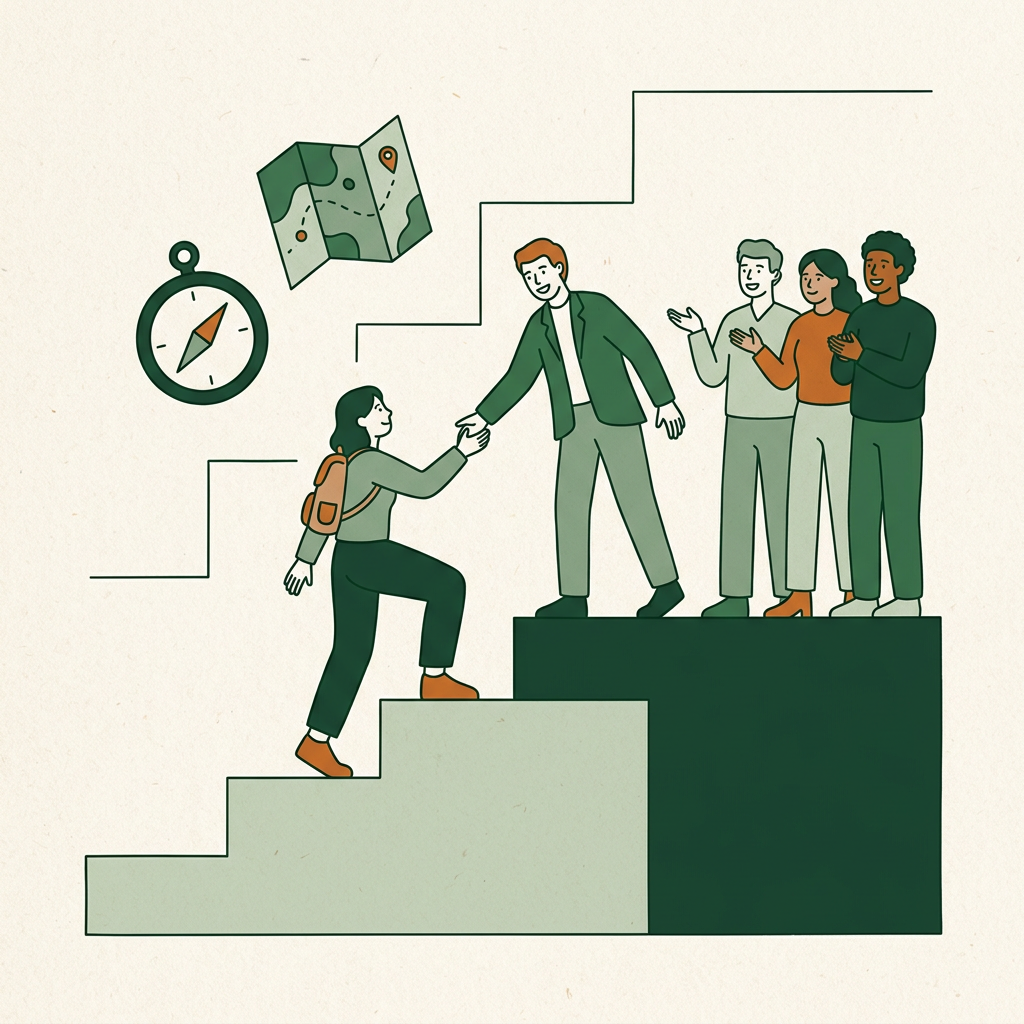
In an office, people absorb what "good" looks like by watching others. Remotely, that osmosis disappears. A written career ladder with clear, observable expectations at each level becomes essential, it’s the shared reference everyone can see regardless of where they sit.
Judge Outcomes, Not Online Status
Being quick on chat or always on camera is not the same as high performance. Focus evaluation on the impact of the work and the competencies demonstrated. This is especially important during promotion decisions, where visibility can easily masquerade as readiness.
Protect the One-on-One
For remote team members, the one-on-one may be the main place they get real attention from their manager. Never let it slide into a status update, and make sure growth comes up regularly, not just when something is going wrong.
Distribute Opportunities Deliberately
Stretch assignments are how people grow, so be intentional about who gets them:
- Keep a simple record of who has led recent high-visibility projects.
- Rotate presentation and leadership moments across locations and time zones.
- Ask remote team members directly what kind of challenge they want next.
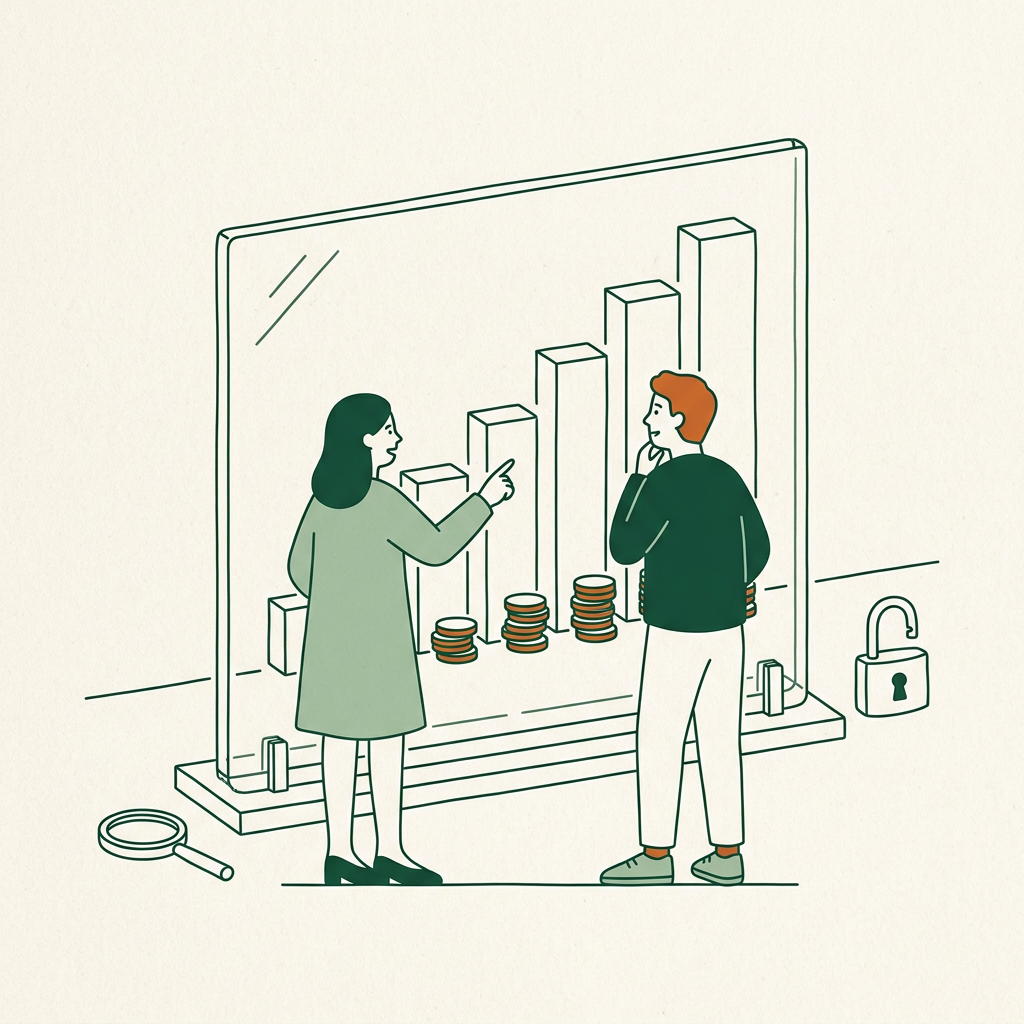
Make Work Visible in Writing
Encourage short written updates, demos, and shared docs so everyone’s contributions are easy to see. Written artifacts level the playing field: a thoughtful proposal from someone three time zones away carries the same weight as a comment made in the room.
On a distributed team, fairness doesn’t happen by default. It happens by design.
The Bottom Line
Remote and hybrid teams can offer every bit as much career growth as co-located ones, but only when expectations are written down, outcomes matter more than visibility, and opportunities are shared on purpose. Build those habits and your best people can grow no matter where they log in from.